
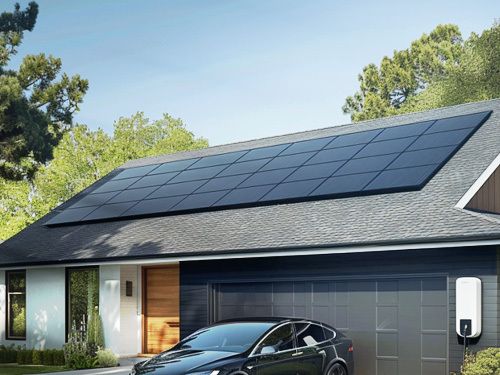
Smart energy systems increasingly shape how households interact with electricity by observing patterns rather than relying on static schedules. As connected homes expand, solar and energy management platforms have taken on a learning function that adjusts usage based on daily activity. Freedom Forever Reviews reflect this shift as homeowners move toward systems that adapt to routines instead of requiring constant manual input.
This approach reflects a broader change in expectations around home energy. Households no longer want to manage power through fixed assumptions. They expect systems to respond to how people live, factoring in work schedules, sleep habits, and seasonal rhythms. Smart energy platforms now operate as responsive frameworks that refine performance gradually as patterns repeat over time.
Pattern Recognition Forms the Foundation
Smart energy systems rely on pattern recognition to interpret household behavior. By observing when electricity use rises and falls, platforms identify recurring routines tied to mornings, evenings, and weekends. Systems distinguish consistent habits from occasional variation, allowing adjustments that reflect real usage rather than preset rules.
Learning depends on accumulation rather than instant precision. Early operation often mirrors default settings, but refinement increases as data builds. As patterns become clearer, systems distribute energy with greater accuracy. Homes benefit from fewer manual changes as platforms begin to anticipate demand rather than reacting after the fact.
Daily Routines Guide Energy Priorities
Household routines play a central role in how smart systems allocate energy. Morning activity brings predictable increases tied to lighting, heating, and appliance use. Evenings introduce different needs related to cooking, entertainment, and climate control. Smart platforms track these cycles and adjust operations accordingly.
Over time, responses become more nuanced. Systems recognize differences between weekdays and weekends, identifying shifts in occupancy and timing. The result is a home that responds naturally to daily rhythms without repeated reprogramming. Energy management integrates seamlessly into everyday life.
Seasonal Shifts Refine Learning Models
Seasonal change adds another layer to system learning. Heating and cooling needs vary across the year, altering how energy moves through a household. Smart platforms incorporate seasonal data to refine expectations around usage patterns.
As daylight hours and weather conditions shift, systems adjust how energy is prioritized. Summer routines differ from winter ones in timing and activity as well as temperature. Learning models reflect these differences, allowing homes to maintain comfort while adapting energy use naturally throughout the year.
Occupancy Patterns Improve Accuracy
Occupancy signals play an important role in refining system accuracy. Homes with predictable schedules allow platforms to establish stable expectations, while variable routines require more flexible interpretation. Systems rely on usage signals and sensors to infer presence and absence.
Over time, repeated inputs help systems distinguish between temporary variation and meaningful change. Energy use declines smoothly during extended absences and increases gradually when occupants return. Accuracy improves without becoming overly sensitive, preserving comfort while reducing unnecessary consumption.
Software Adaptation Reduces Manual Oversight
Adaptive software reduces the need for ongoing homeowner involvement. As systems learn routines, they adjust device operation automatically. Heating, cooling, and charging respond to observed behavior rather than manual schedules. This automation minimizes friction and simplifies daily energy management. Over time, responsiveness feels intuitive, supporting comfort without requiring constant attention.
Adjustments occur gradually, preserving comfort without noticeable intervention. Homeowners experience consistent performance without frequent fine-tuning. The shift moves households from direct control toward guided automation, where systems align energy use with lived patterns rather than assumptions.
Customer Feedback Reflects Learning Over Time
Homeowner feedback often reflects how systems feel easier to live with after extended use. As learning models align with household routines, interactions become predictable and smooth. Freedom Forever reviews often highlight clarity around system behavior once patterns settle, emphasizing confidence that grows through familiarity rather than initial setup alone.
These insights suggest that learning curves influence satisfaction. Systems earn trust when they respond consistently without drawing attention. Over time, technology fades into the background, supporting daily needs quietly and reliably. This unobtrusive performance reduces cognitive effort and frustration. Users come to rely on outcomes rather than monitoring processes. As familiarity grows, confidence replaces concern, reinforcing long-term satisfaction.
Long-Term Adaptation Builds Confidence
Confidence develops as systems demonstrate consistent responses to routines. When platforms behave predictably, homeowners trust them to handle change without oversight. This trust allows households to rely on automation during busy periods or seasonal transitions.
Over time, energy management becomes less visible. Households focus on comfort and continuity rather than monitoring usage. Adaptive systems support this shift by aligning performance with daily life, making energy a background utility rather than an ongoing task.
Learning Balances Responsiveness and Stability
Effective learning requires balance. Systems must respond to real patterns without overcorrecting to short-term variation. Smart energy platforms prioritize gradual adjustment, maintaining stability and responsiveness.
This balance supports reliable performance. Homes benefit from systems that adapt thoughtfully, maintaining consistency while refining behavior. Learning enhances efficiency without introducing unpredictability.
Visibility Supports Understanding Without Complexity
Although learning operates quietly, visibility helps homeowners understand outcomes. Dashboards show how systems respond over time, connecting adjustments with results. This transparency reinforces trust without requiring constant oversight. Homeowners gain confidence by seeing patterns emerge rather than isolated actions. Clear feedback bridges the gap between automated learning and user understanding.
This transparency supports trust. Homeowners remain informed without managing their details. Visibility reinforces confidence while allowing automation to stay unobtrusive, aligning insight with simplicity.
Design Potential for Smart Energy Platforms
As learning becomes central to smart energy systems, design priorities continue to develop. Platforms must support long-term refinement, clear communication, and measured adaptation. This shift places greater emphasis on flexibility rather than fixed behavior. Systems are expected to improve through use while remaining understandable and predictable. Over time, thoughtful design keeps learning and enhances performance without introducing uncertainty.
This trend emphasizes sustained software performance and support. Smart energy systems succeed when learning improves experience over time. As households expect platforms to adapt gradually, systems that balance intelligence with stability reinforce confidence through consistency and clarity.


More Stories
Emerging Horizons: The Next Wave of Disruption in the Technology Industry
Emerging Horizons: The Next Wave of Technology Industry Trends Reshaping Our Future
Tech Titans Clash: The Ultimate Guide to Dominating Technology Competitions